Why Would Artist in the 1950s and 1960s Throw Out Their Art
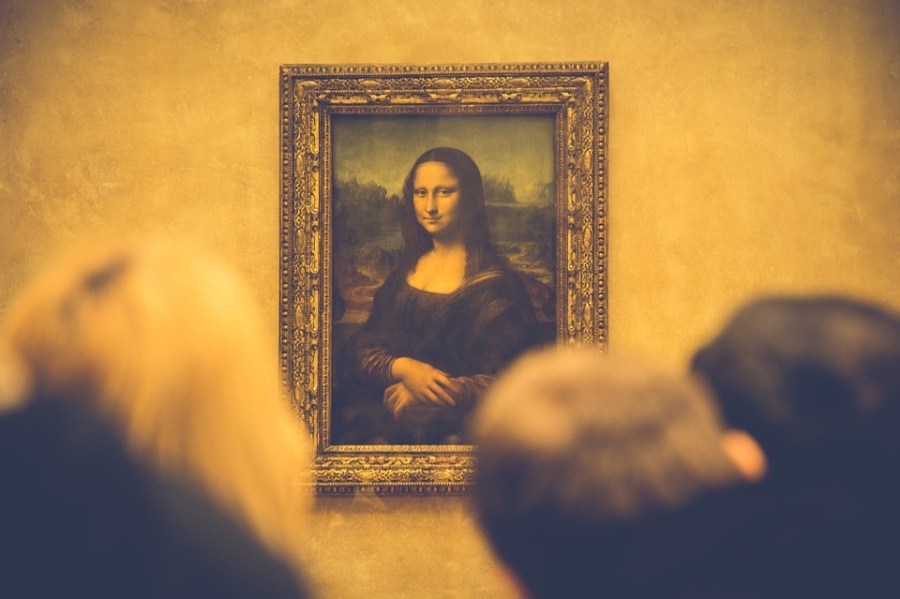
Whether you consider it an investment, a hobby or merely a cool way to decorate the walls in your home, acquiring new art can be a fun and exhilarating experience. Although many people assume collecting art is but for millionaires, the truth is you can first your ain art drove on any budget. You may not accept the funds to fill information technology with famous pieces, but all that matters is that you fill it with pieces you lot dear.
Know What You Like
Showtime, but collect what you lot similar, fifty-fifty if it'south something obscure that others may non capeesh or understand. Unless you're just trying to make a quick buck — and that's frequently hard to do — putting together a collection won't be fun if you force yourself to choose items just considering they're trendy. If you aren't sure what you love, go to the library and check out some art history books. Go to fine art galleries in your community, and cheque out the artisan booths at local fairs and festivals. Do a elementary internet search, visit an antiquarian shop or flip through the art at your local craft store or big box shop. Effigy out what appeals to you, and apply that as a starting point.
Know Where to Look
The next pace is knowing where to find the fine art yous like. Some of the places you visit to detect your gustation may also sell the types of pieces you like. Craft fairs, festivals, antiquarian shops and galleries are skillful examples, but you can shop for art at many other places, including estate sales, where y'all may find rare and unique pieces, and art websites like Etsy, ArtStar, Uprise Art and Editioned Art. Some artists allow you to visit their studios, and auction houses typically have art in their inventories. If you go to auctions outside of major cities, you may fifty-fifty detect a rare piece at an first-class toll.
Practice Your Homework
Earlier you make a purchase, especially an expensive purchase, you want to practice your homework on the artist, the detail and its background before signing on the dotted line. In some cases, the seller may non realize the value of an item and sell it for a bargain toll, only you don't want to pay too much for a piece, fifty-fifty if you love it. You also want to avoid buying something advertised equally an authentic piece that is actually just a reproduction. Be on the lookout for fraudulent items, and learn how to read the documentation that verifies the actuality and provenance of a piece of art.
Have It Slow
If you lot know your budget for starting an art collection, don't rush out and spend it all in i day. Don't wait to put together a huge, envious drove overnight. Information technology takes time to curate the perfect collection for your interests, tastes and passions. For many fine art collectors, the hobby becomes a lifelong journey. You never know when a new artist you discover turns into a huge success, making that $100 painting you bought worth a pocket-sized fortune — and bragging rights — one twenty-four hours. Starting tiresome also allows yous to save up for the more expensive pieces you may desire to buy one day.
Treat Your Fine art Well
Finally, after you purchase your first pieces, make certain you take intendance of them. Learn how to display and preserve everything you buy, and make sure y'all have plenty of space to keep your art. Sure, you could rent a storage edifice if yous don't take enough room in your home for all your treasures, but what'south the indicate in having an awesome collection if you tin can't show information technology off? If yous learn expensive pieces, insure them against theft and disasters. You may besides desire to make a plan for what happens to your art after you pass away. If you don't have family, y'all may want to donate art to a museum or charity, for example.
Source: https://www.questionsanswered.net/article/how-to-start-an-art-collection?utm_content=params%3Ao%3D740012%26ad%3DdirN%26qo%3DserpIndex
0 Response to "Why Would Artist in the 1950s and 1960s Throw Out Their Art"
Post a Comment